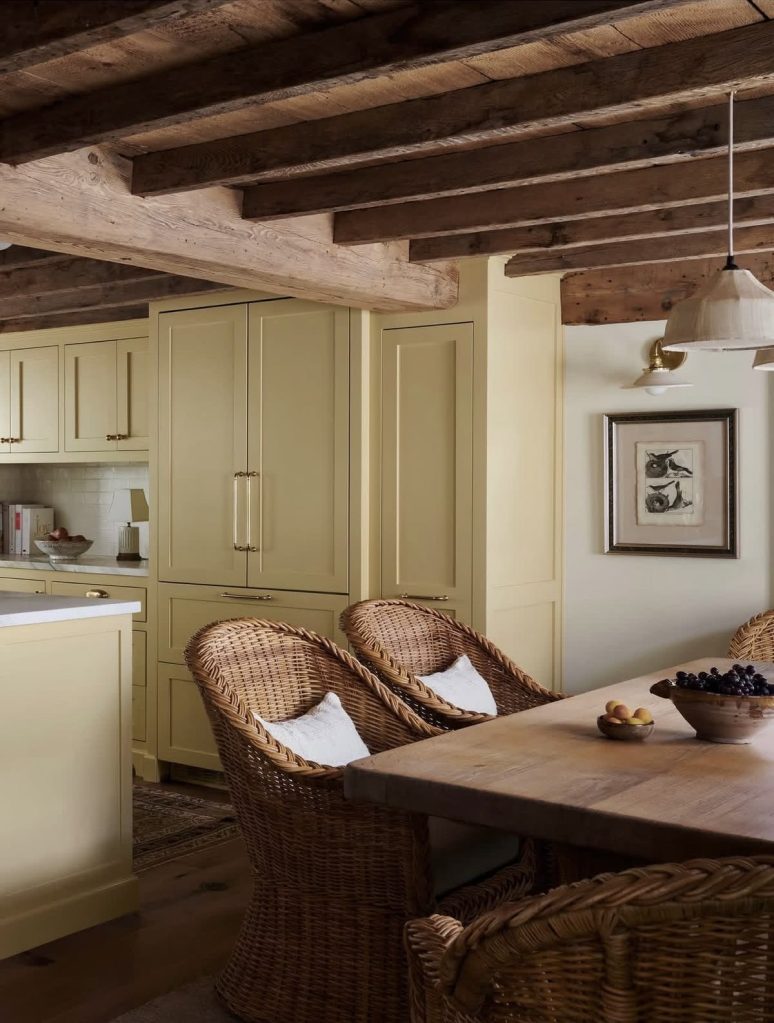
How do you want it to make people feel?
First, try to focus on how you’d like your space to feel (as in: cozy, cool, light and airy, fun, calming, or energetic). Habits and hobbies should drive your decisions on the layout and functionality. For example, an extremely busy and active family might benefit from a streamlined and clutter-free setup and extra storage solutions. If you like to host parties, you might prioritize increased and more comfortable seating. Start thinking about what could make your life better or easier if it were added to (or taken away from) your space. For us, that was moving the dining room to be right off the kitchen for entertaining and ease, and adding large built-in bookshelves to the previous dining area to store all of our books and games which essentially created a tiny personal library.
Architecture
You can change the vibe, but like it or not, your house already has a bit of inherent personality. You typically want to make the permanent elements (windows, flooring, trim, and built-ins) cohesive and true to the home’s era and style of architecture. You don’t really want to put in a vertical slatted Mid-Century Modern wall in your Victorian home (straight to jail). After you have narrowed down the interior design styles you love, you can mix and match some eras with your furniture, lighting, and art if you find that they mesh well.
Give it time
I always feel like I need to spend some serious time in a space before I feel comfortable making big design decisions. Living in a space for a while lets you see how the light shifts through the rooms, and recognize any items you feel you might be missing. I always recommend that you don’t rush to furnish every space at once. Try mixing in meaningful heirlooms, thrifted items, and collected artwork to your existing pieces over time. This will make the home feel collected and more authentically you, and that is infinitely better than buying matching sets from big box stores which often end up falling flat and removing personality. Just about every room looks better with at least one antique in it.
Style vocab
I recommend using Pinterest and home interior pages like Architectural Digest or Apartment Therapy to find spaces that speak to you. There are 30+ different interior design styles but I will be touching on the most common styles I see in regular middle class homes. This is a good introduction and place to start. You can do some searching and save the rooms that you love. Then, you can look for repetition and patterns in interiors that you are drawn to. You can build an extensive folder of inspiration on Pinterest fairly quickly because of the way it recommends similar designs as you are pinning.
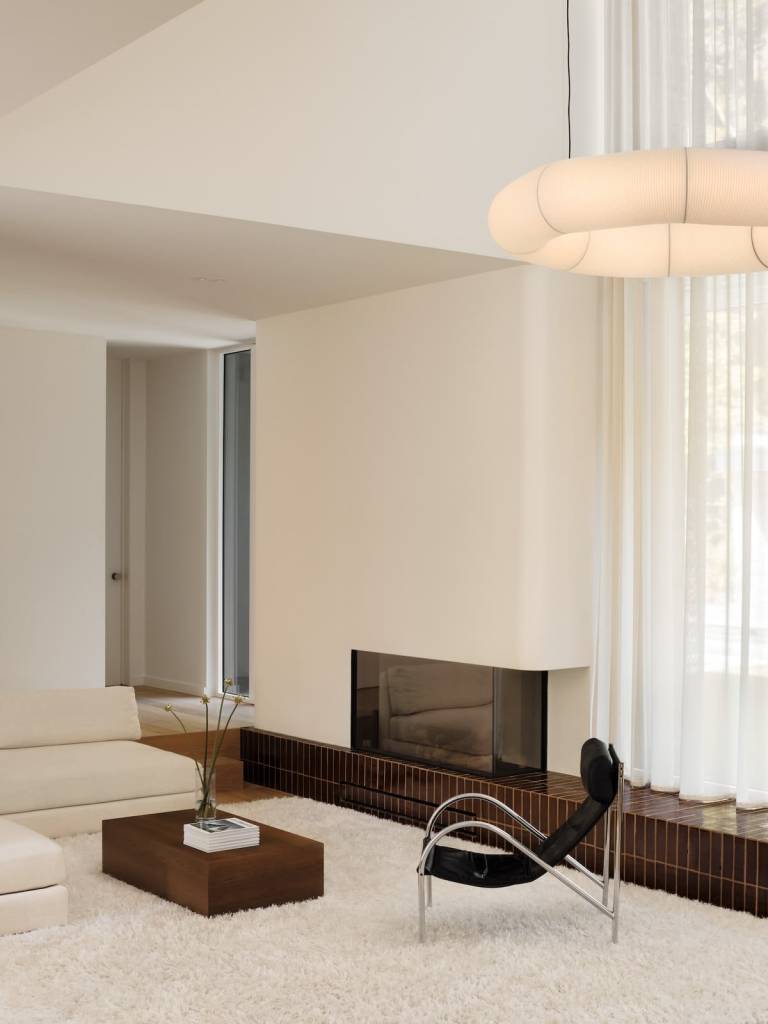
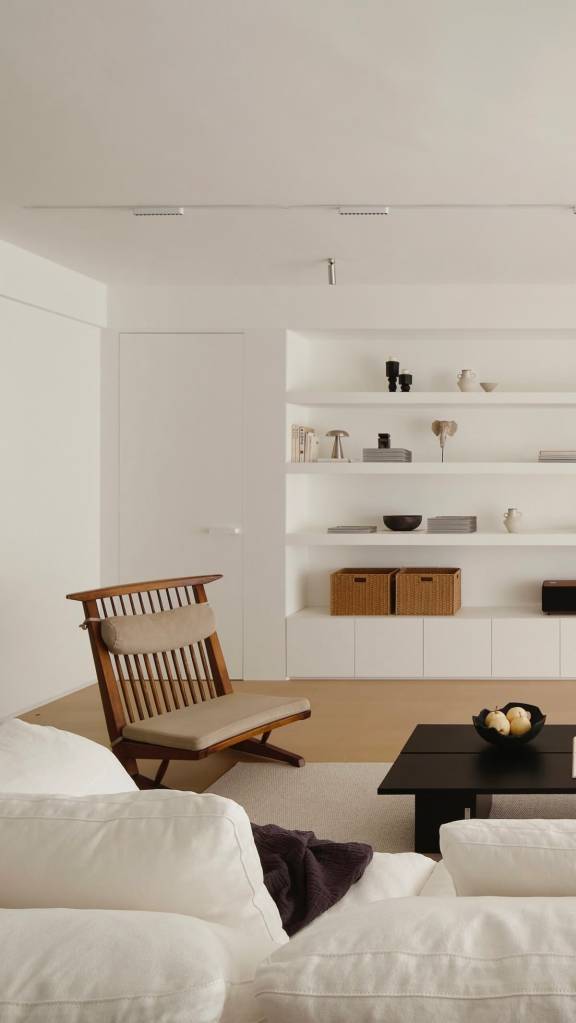
1. Modern & Minimalist
Color Palette: Neutral palettes, tons of white, subtle pops of color, mixes with some black decor and furniture
Materials: Metals, wood, leather, stones, ceramics
Shapes: Clean lines, essentially no clutter
Japandi and Scandinavian interior styles can also fall in this category, and they incorporate more mixed and natural woods, soft tones, and calming organic shapes.
2. Traditional
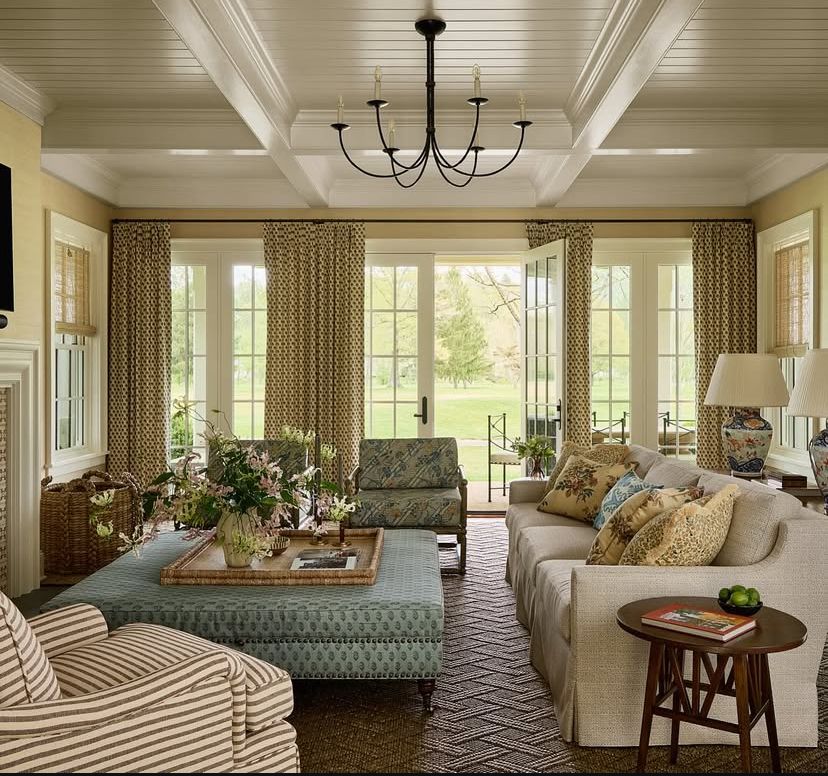
Color Palette: Neutral, blues, greens
Materials: Antiques, patterned textiles, piping and slipcovers, natural stone
Shapes: Traditional interiors often rely on symmetry to anchor the space and draw from classic, timeless shapes of the 18th and 19th centuries.
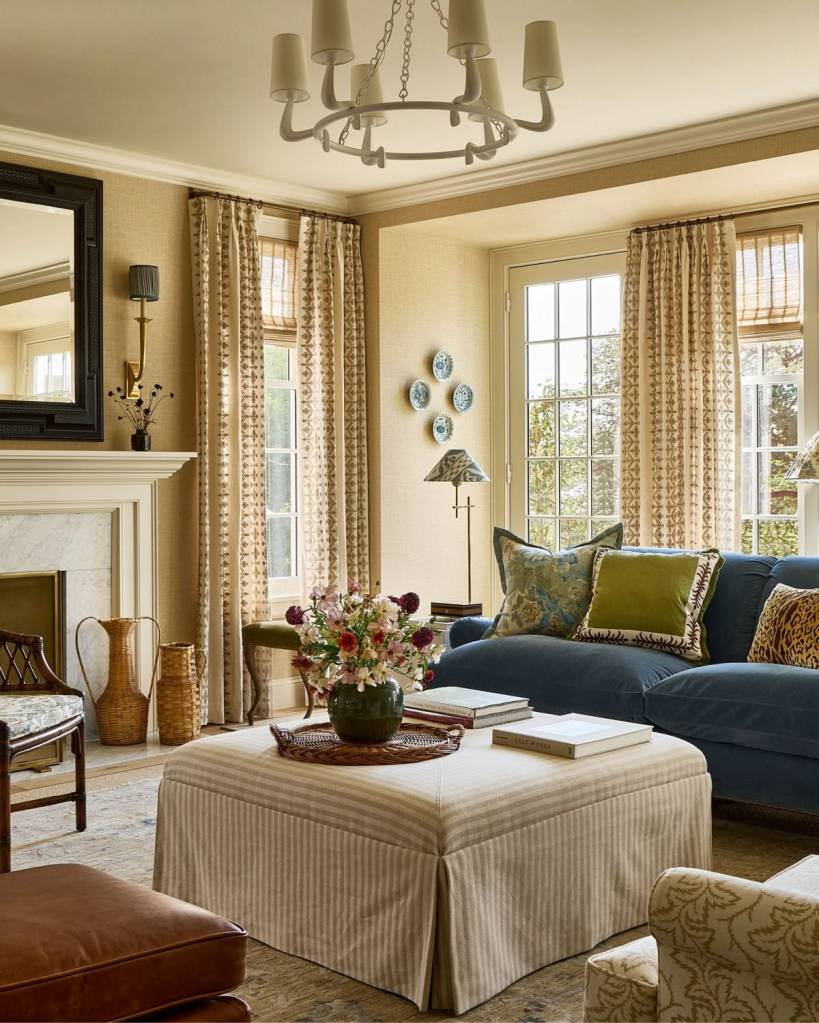
3. Transitional
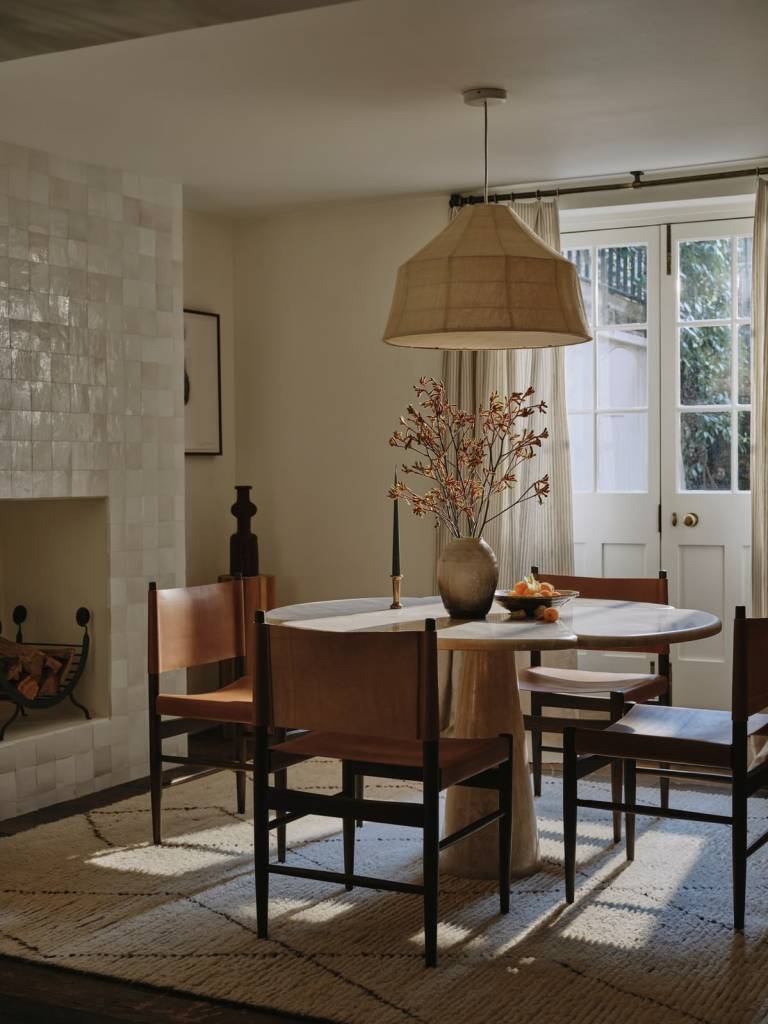
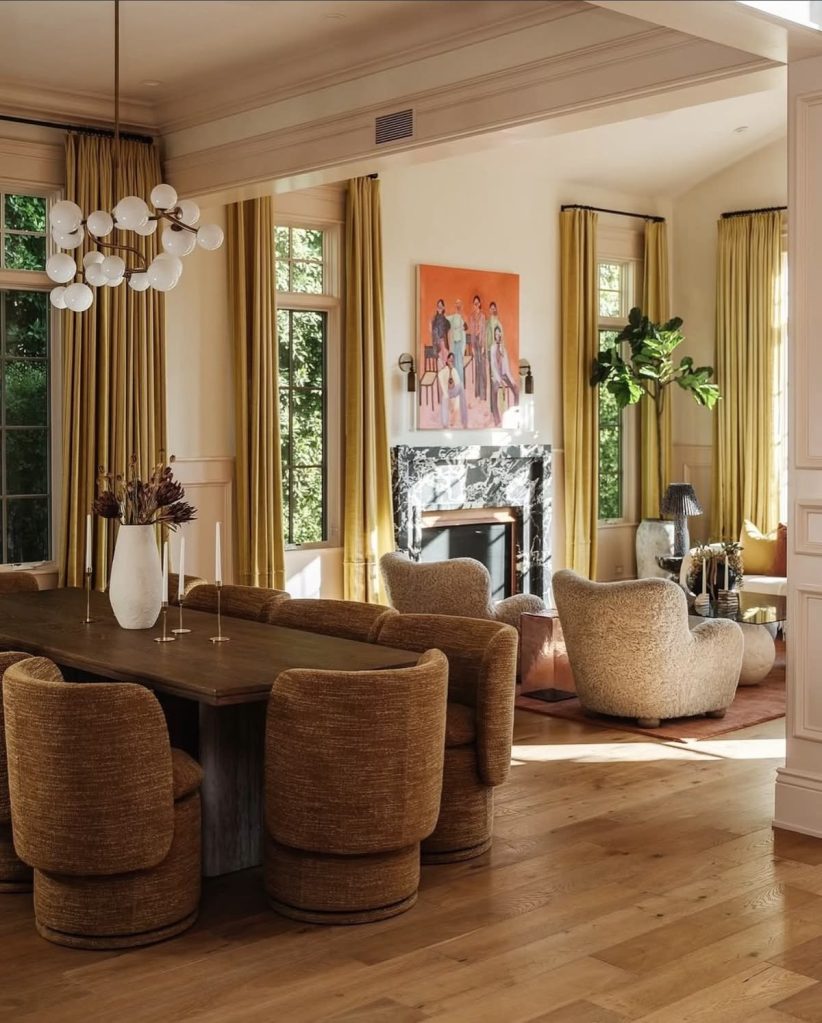
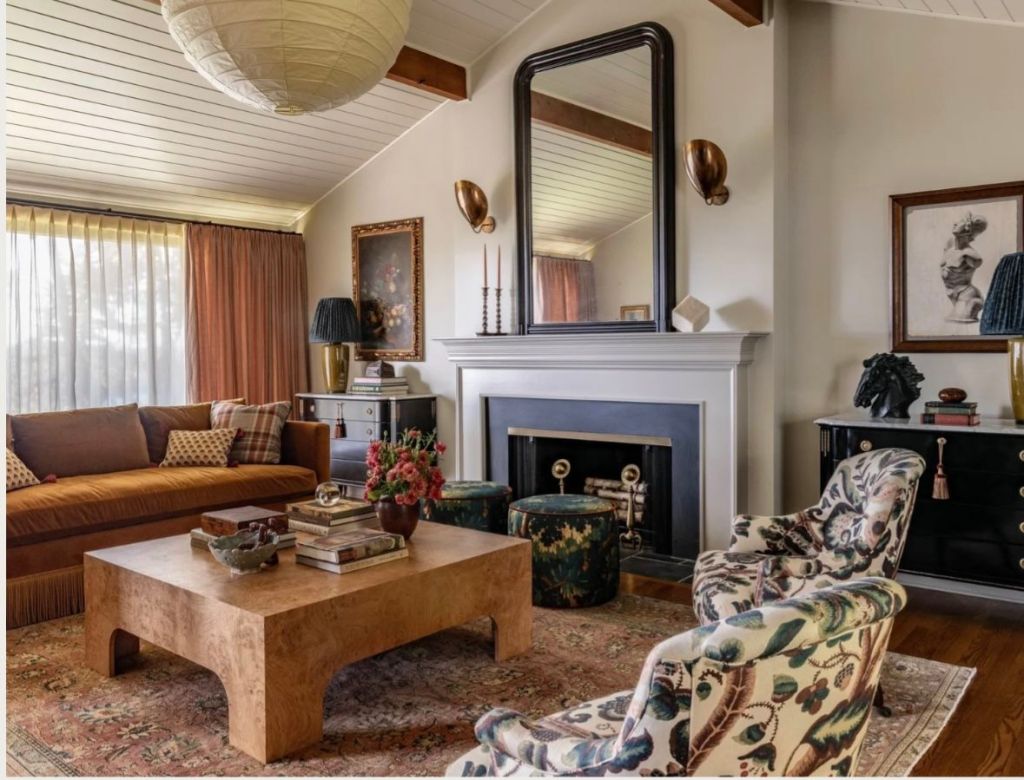
This is my personal preference and in my opinion the easiest interior to implement and mix different eras and styles into.
Color Palette: Neutrals, but more freedom with vibrant and bold color palettes incorporated in built ins, textiles, art, and furniture
Materials: Natural stone, velvet, leather, wool rugs, paper lanterns and more modern light fixtures
Shapes: The transitional interior style is a wonderful balance of modern clean lines and traditional shapes, warmth, and pattern.
4. Mid-Century Modern:
Color Palette: Warm walnut wood tones, bold color choices
Materials: Walnut woods, molded plywood, exposed brick, terrazzo and concrete
Shapes: Retro silhouettes, and statement shapes, geometric shapes
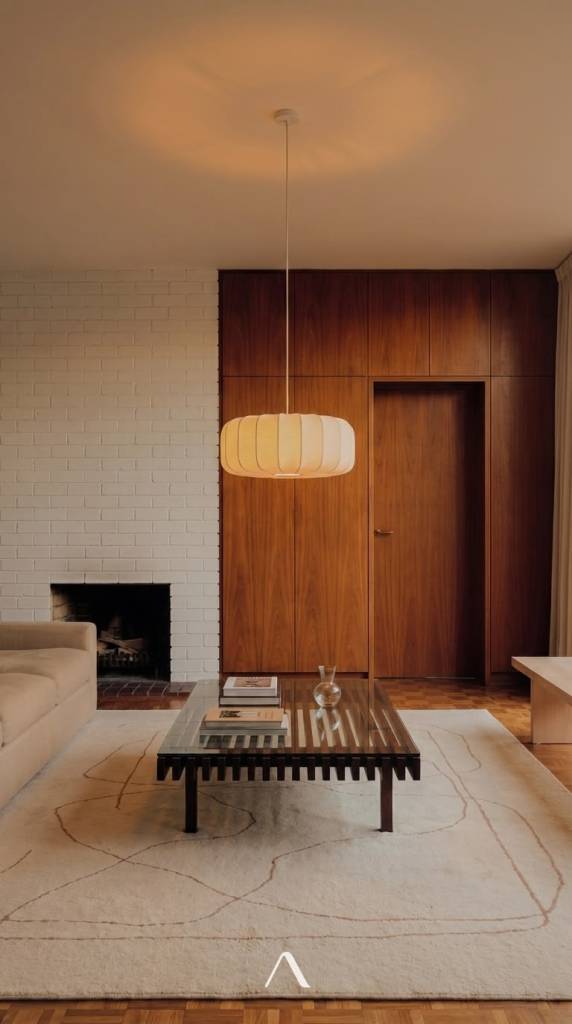
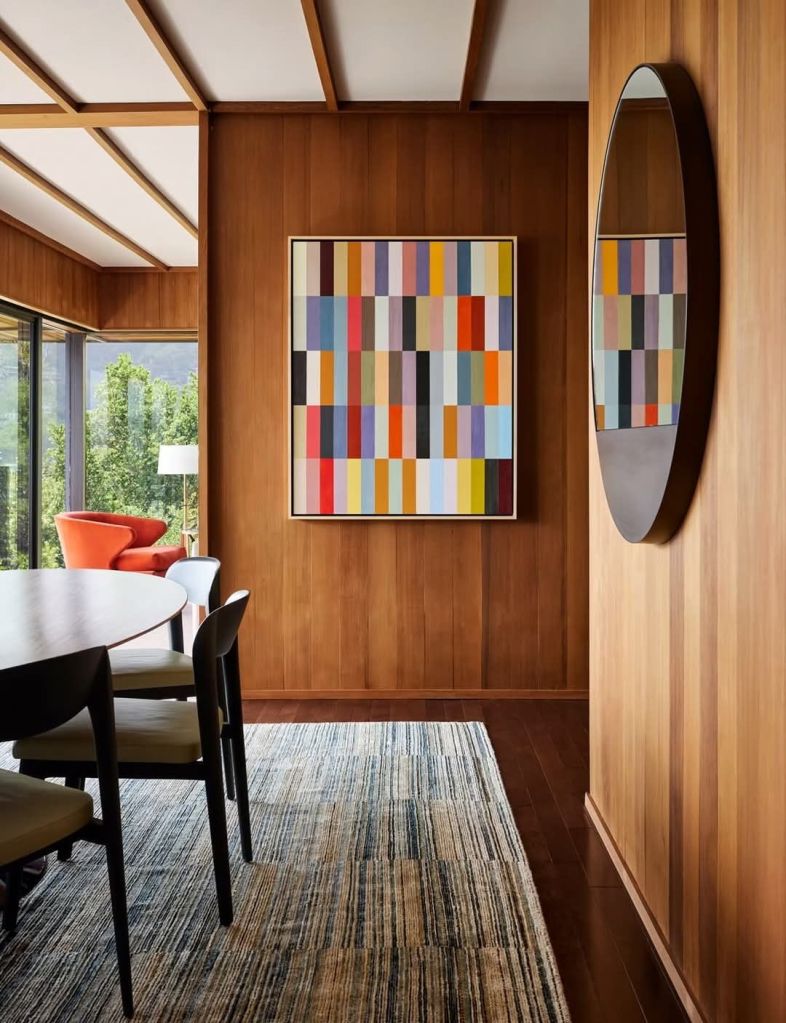
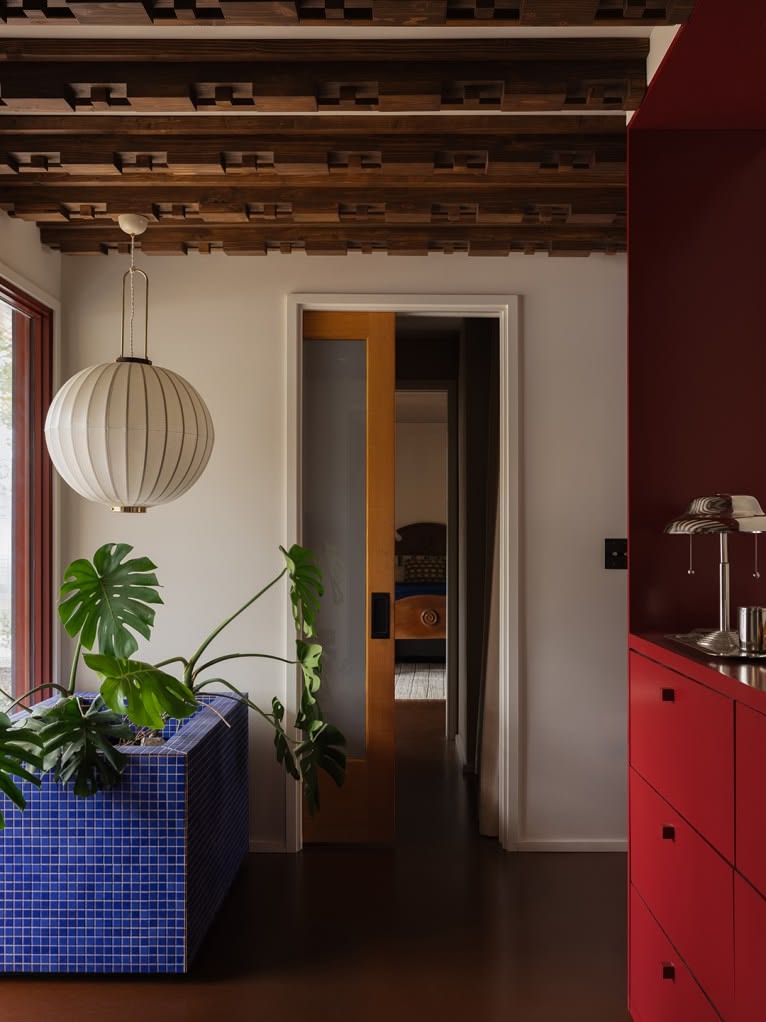
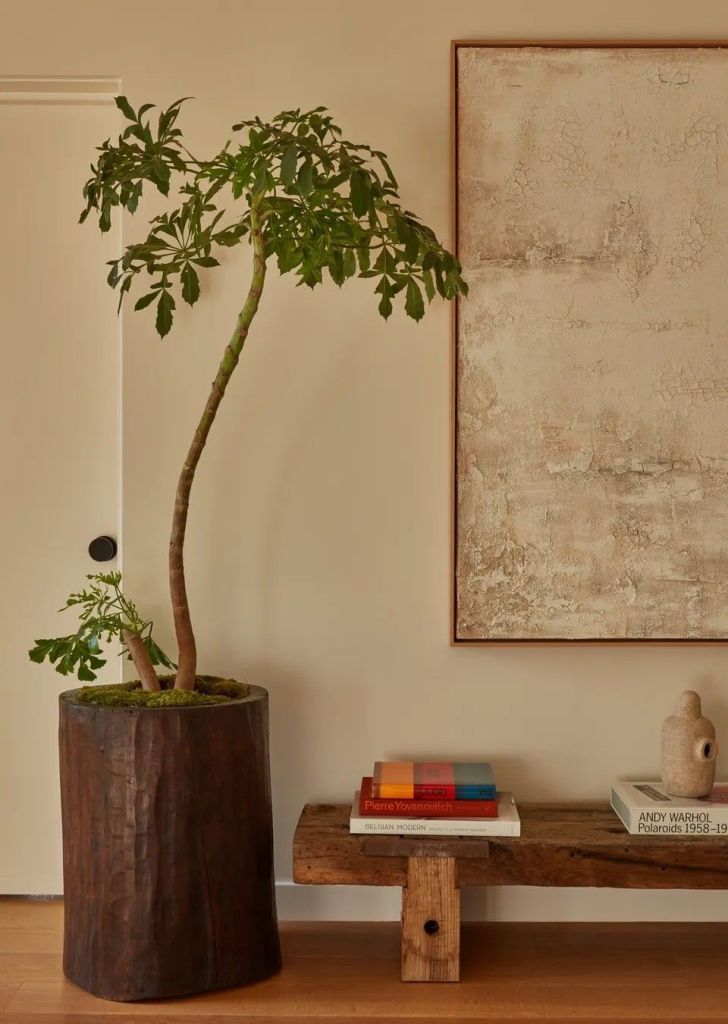
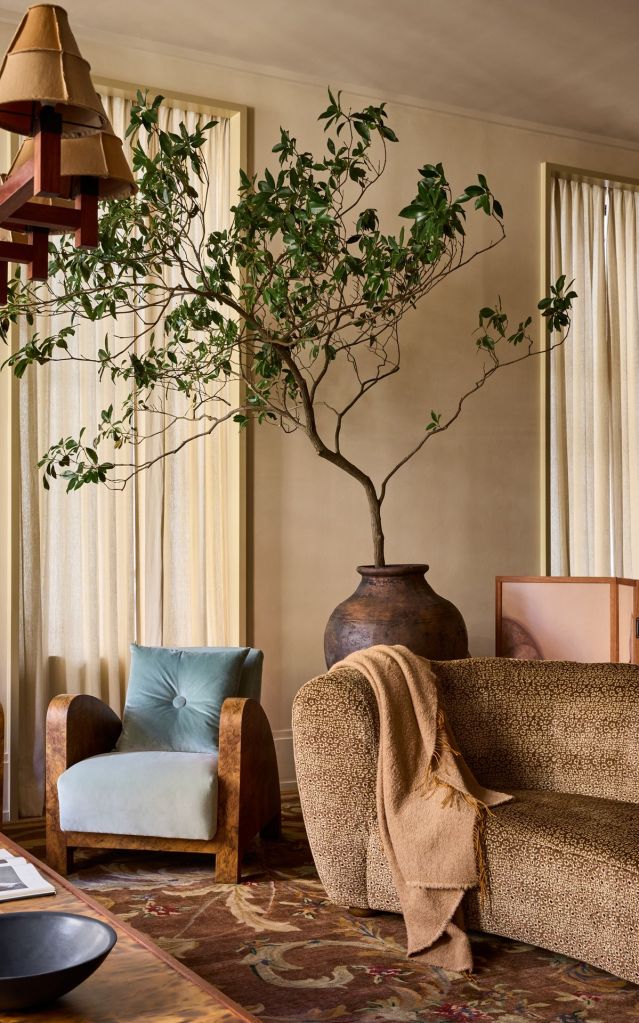
5. Organic Modern
Color Palette: Neutrals soft ivories, warm beiges, taupes, muted stone grays
Materials: Mix of lighter, dark, and unfinished woods, added textures from stone, travertine, linen, jute, and handmade ceramics, bring in plants, and maximize natural light with linen window treatments
Shapes: Often you’ll see sharp architectural lines with curved furniture, arched doorways, or organic-shaped furniture to balance the space.
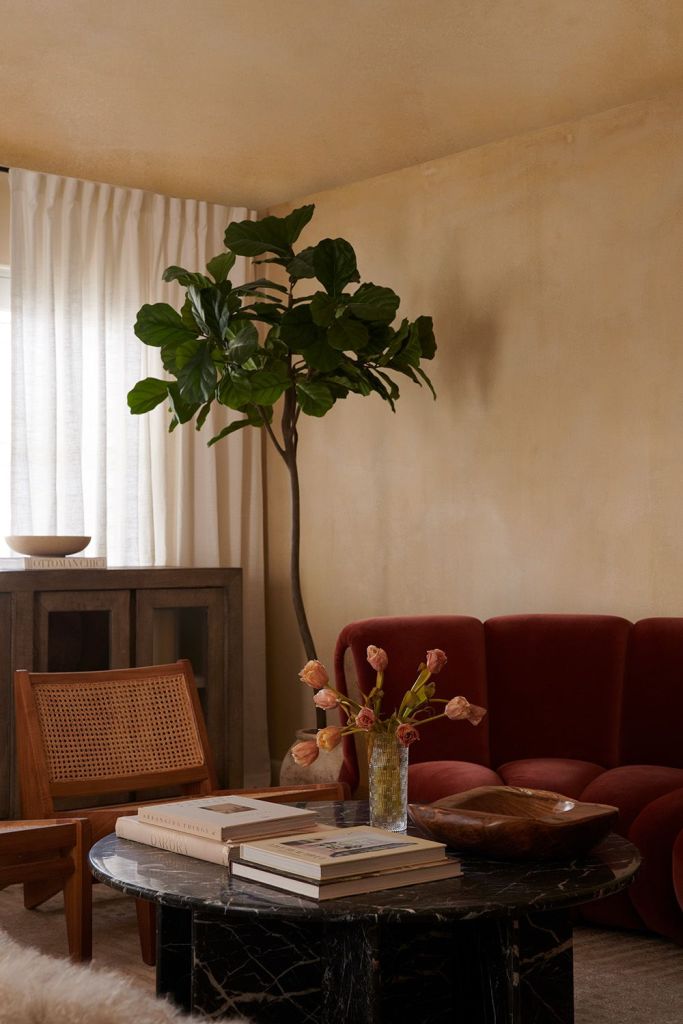
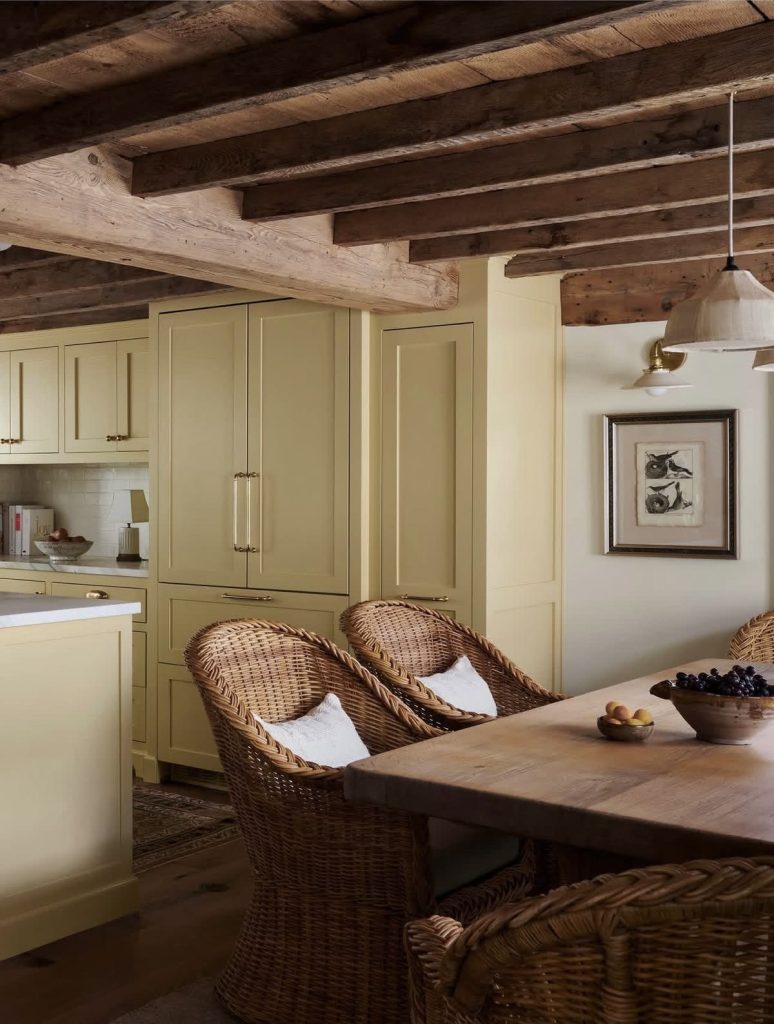
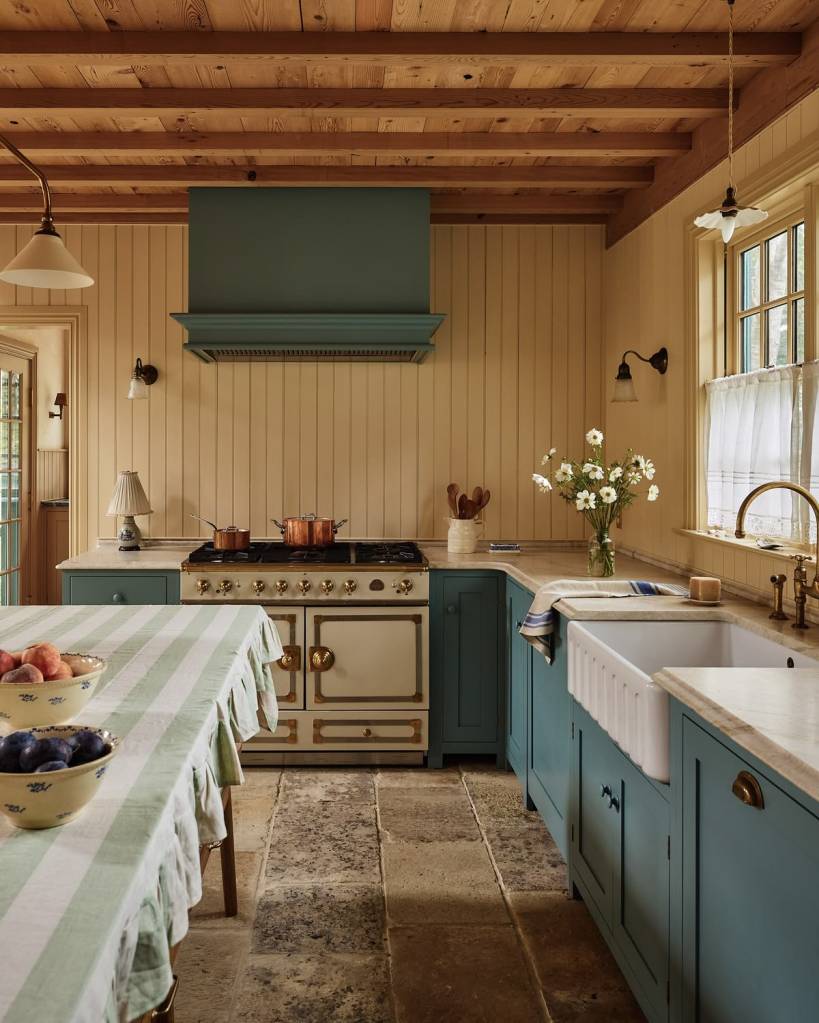
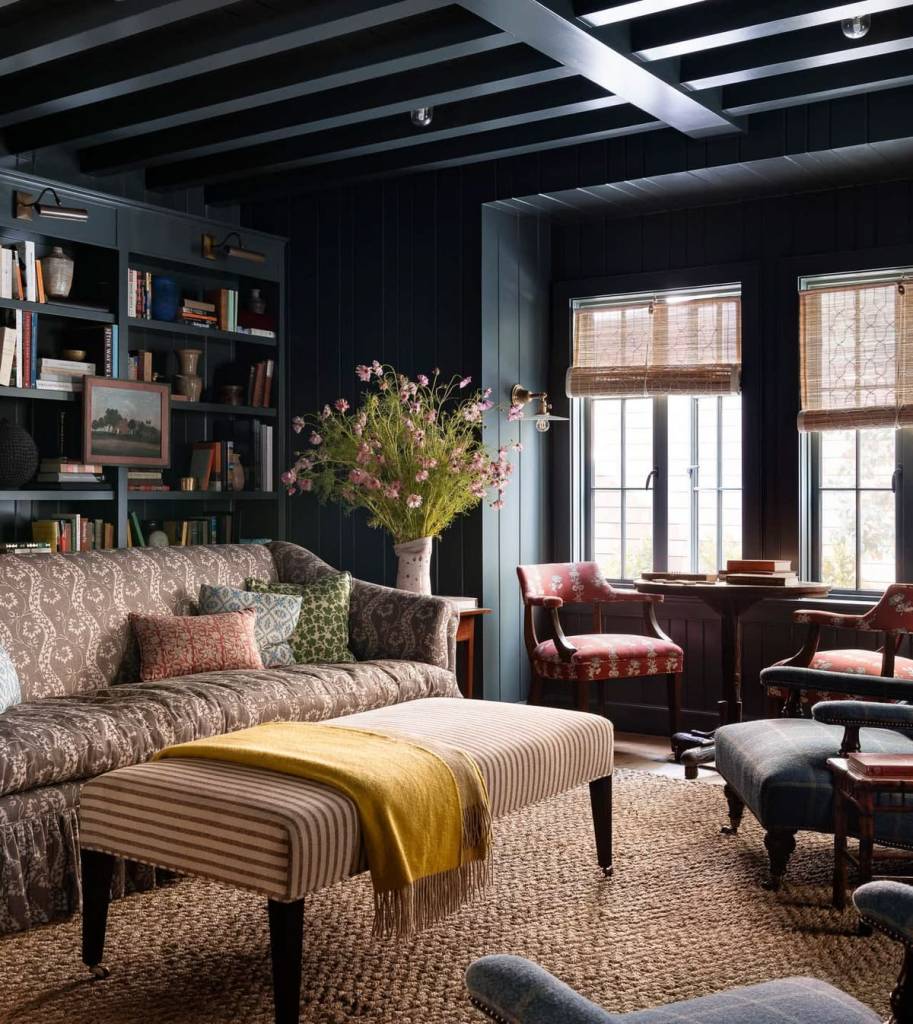
6. Cottage
Color Palette: Often the palette incorporates muted creams, blues, greens, yellows, and creams, but can be many palettes, florals, prints, stripes, and patters.
Materials: Thrift finds or antique wood furniture, ceramics, wood paneling, wood beams
Shapes: Pleats, ruffles, and slipcovers, good mix of rustic and traditional shapes
7. Whimsy
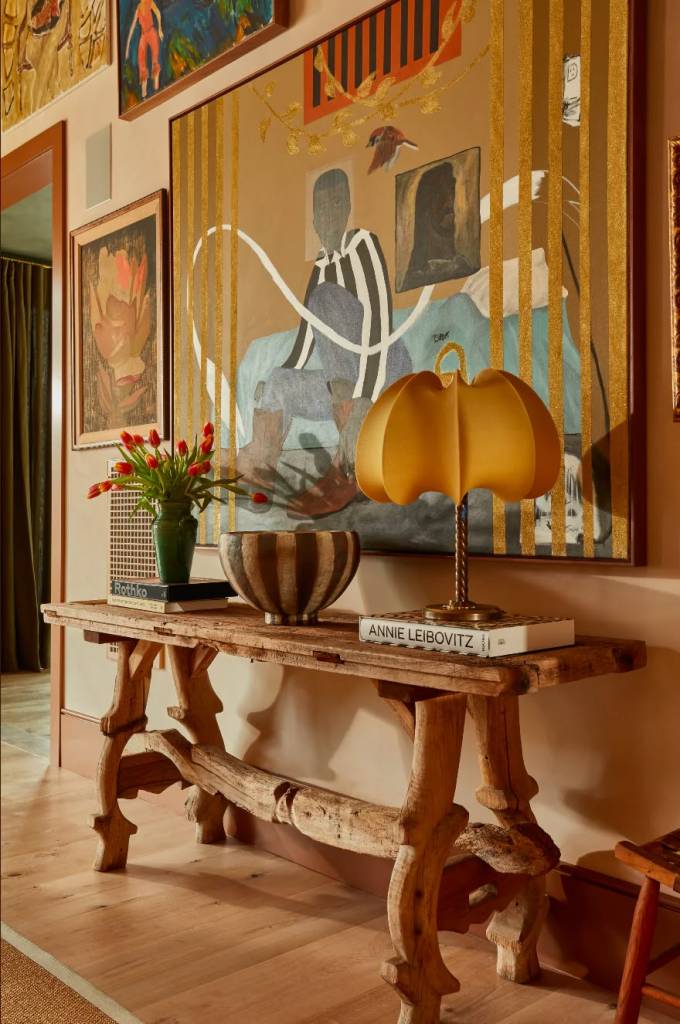
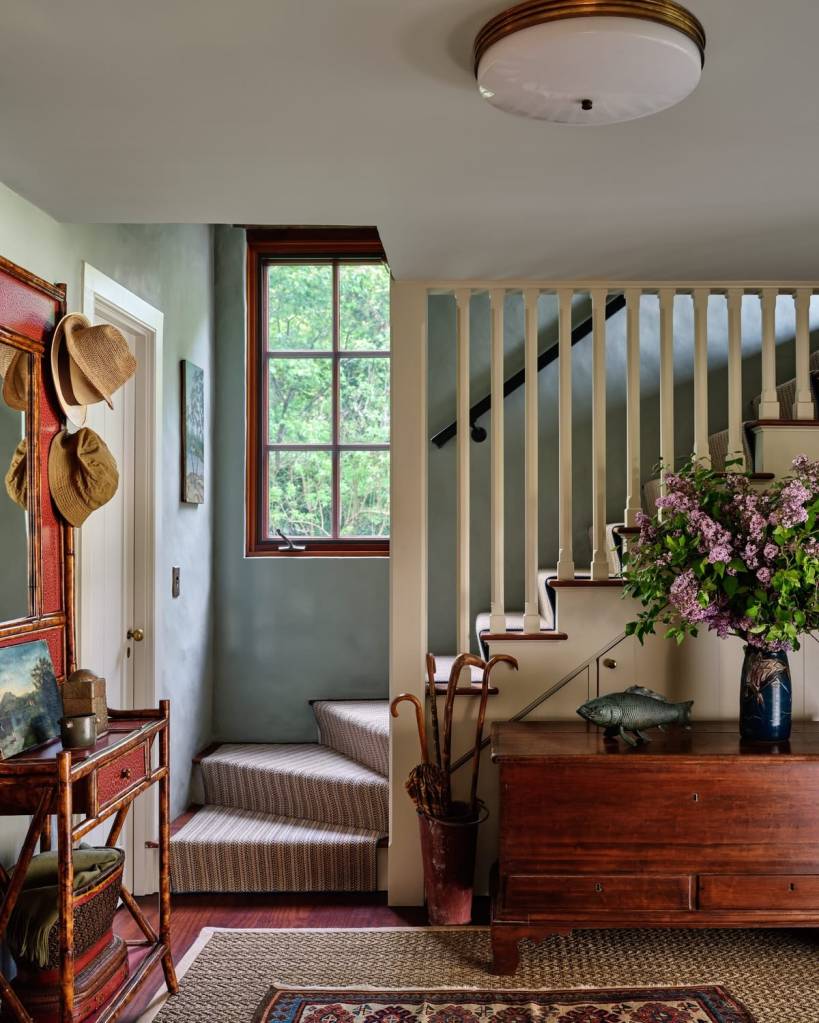
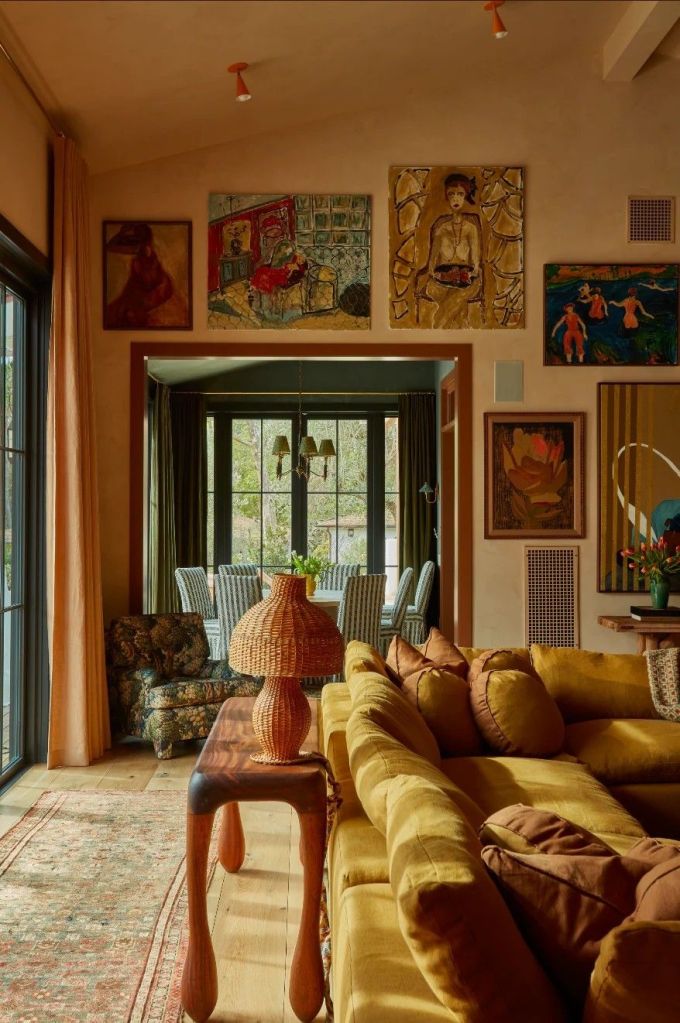
This is a personal preference and can be added to any style with unexpected shapes, colors, art, a quirky accessories, patterns, and animal or fish accents!
Alright, get out there and start building your inspiration because we’re implementing changes soon!
See you next time.
Jen Edds
*all photos sourced on Pinterest*

